
Fashion: Then and Now
Fashion has always existed as more than clothing, it functions as a visual language shaped by social values, technology, and identity. From ancient civilizations to the digital age, fashion continues to adapt in response to cultural change while preserving historical influence.
Early societies such as Ancient Egypt, Greece, and Mesopotamia used dress to communicate hierarchy, belief systems, and ritual significance. Garments were symbolic, often indicating power, spirituality, and social order rather than individuality.
The Middle Ages reinforced class distinctions through strict dress codes, while the Renaissance celebrated craftsmanship, luxury, and human expression. Advances in tailoring transformed clothing into a deliberate display of artistry and status.
The Industrial Revolution dramatically altered fashion production. Mechanization increased accessibility while accelerating trend cycles. Haute couture emerged in Paris under designers such as Charles Frederick Worth, introducing seasonal collections and the concept of designer authorship.
Throughout the 20th century, fashion evolved alongside social change. Coco Chanel redefined women’s clothing through comfort and modernity, while later designers used fashion as a tool for rebellion, identity, and experimentation. Today, designers continue to reinterpret archival references through contemporary perspectives.
Understanding Haute Couture
Key Moments in Fashion History
| Year / Period | Designer / Icon | Key Concept | Example |
|---|---|---|---|
| 1858 | Charles Frederick Worth | Birth of Haute Couture | 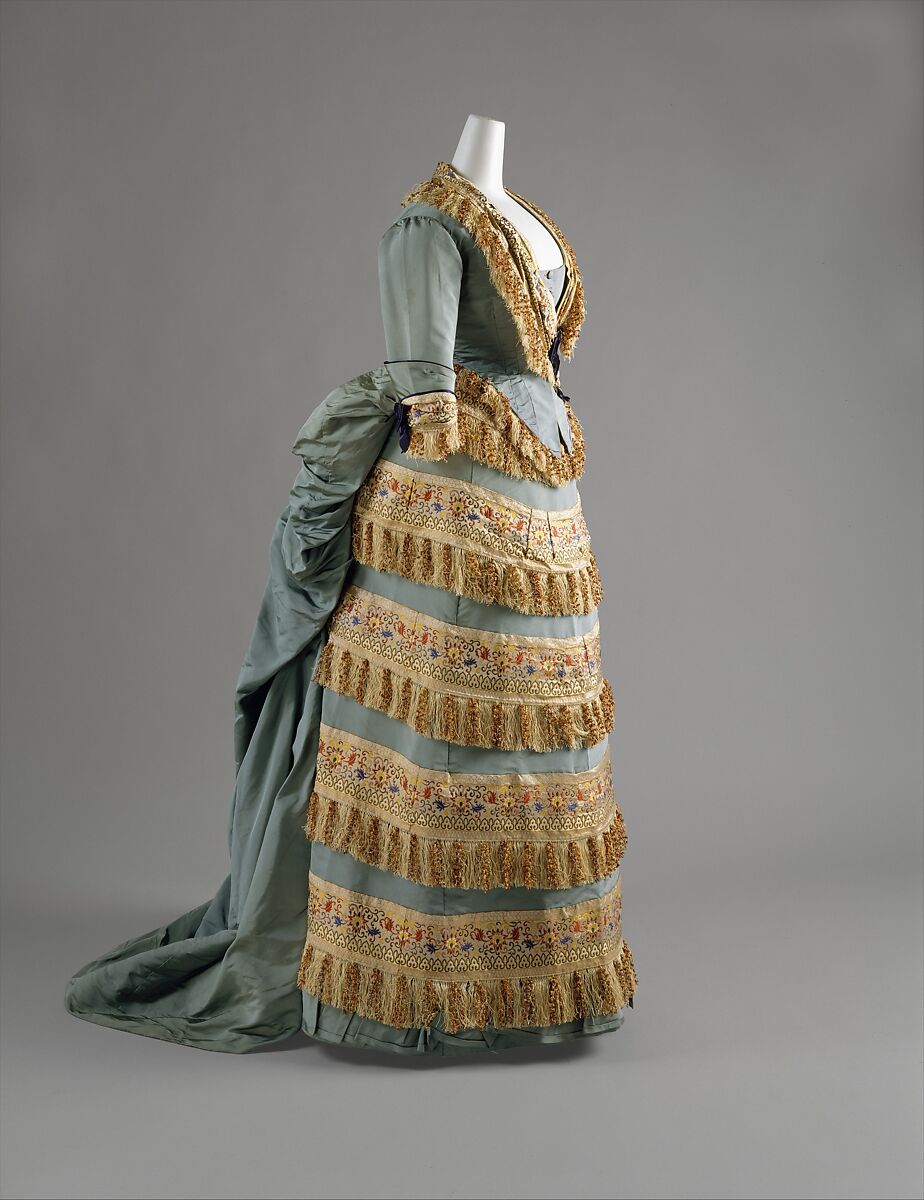 |
| 1920s | Coco Chanel | The Little Black Dress |  |
| 1960s | Mary Quant | The Miniskirt | 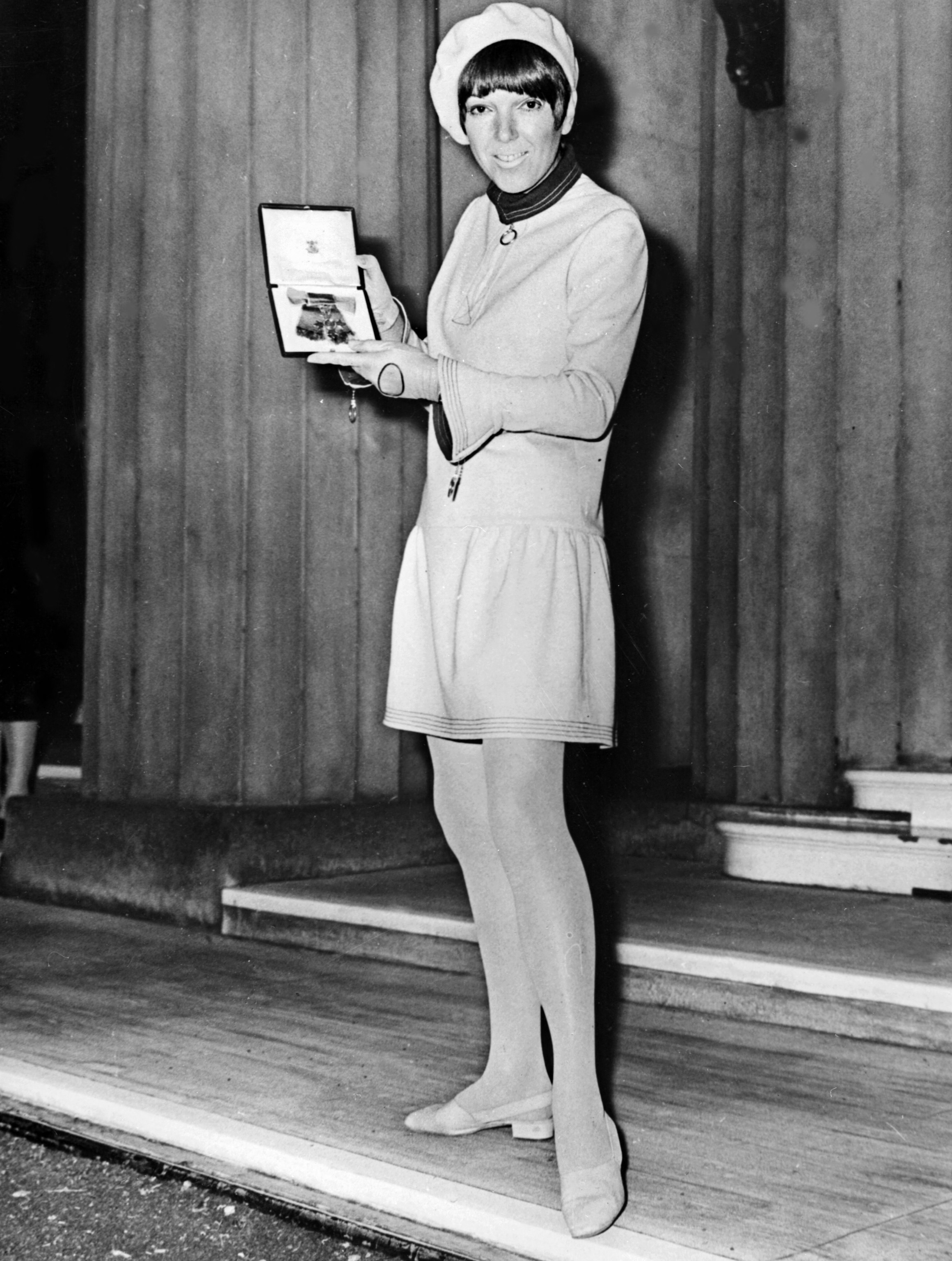 |
| 2000s | Alexander McQueen | Avant-Garde Runway Design | 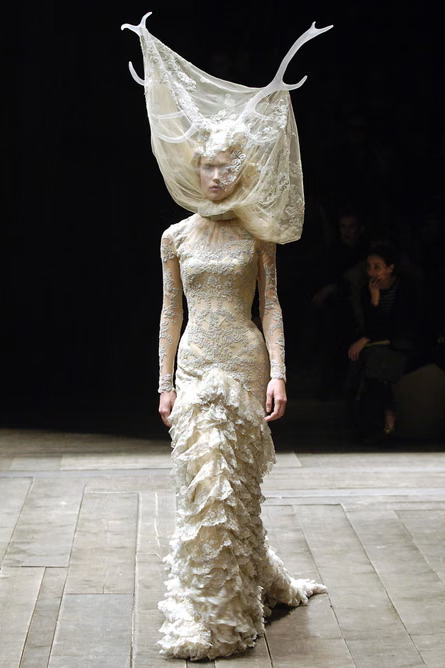 |
Contemporary fashion continues to balance innovation with reflection. Sustainability, inclusivity, and technology now shape how designers approach creation drawing from the past while reimagining the future.